Communicating Your Journey
Communicating sustainability is about more than promotion; it’s about sharing values, progress, and purpose. When done well, storytelling connects your audience to your mission and builds lasting trust.
This section explores how to craft your sustainability story, engage staff and visitors, and report achievements effectively.
Use these tools to communicate authentically and avoid “greenwashing,” ensuring your messages reflect real actions and measurable results.
In this section:
- Craft your sustainability story
- Engage your team and visitors
- Report and celebrate progress
Once you have explored these areas, revisit your earlier assessments and update your Sustainability Action Plan to include communication and reporting milestones.
This content is informed by Destination NSW’s Sustainable Tourism Resources, the Austrade Sustainable Tourism Toolkit, and the Sustainability Storytelling for tourism and hospitality destinations.
In this section
Craft your sustainability story
A well-crafted sustainability story helps visitors understand your purpose and the positive changes your business is making. Authentic storytelling highlights actions, results, and partnerships, creating a connection that inspires responsible travel choices. Focus on what you are doing now, what you plan to improve, and the people and places that benefit from your efforts.
Actions to consider:
- Define your sustainability message and the key themes that reflect your values.
- Share stories that focus on outcomes and benefits for your community and environment.
- Avoid greenwashing by being specific, using real data, and citing credible sources.
- Use consistent, plain language across your website, social media, and marketing materials.
- Back up your claims with evidence such as certifications, awards, or measurable outcomes.
- Collaborate with regional partners to amplify shared sustainability messages.
Create a one-page sustainability summary or “Our Impact” section on your website to showcase measurable results and key commitments.
How this supports the SDGs
These actions advance SDG 12 – Responsible Consumption and Production, SDG 9 – Industry, Innovation and Infrastructure, and SDG 17 – Partnerships for the Goals. By using evidence-based communication and avoiding vague claims, your business models demonstrate transparency and integrity in sustainability storytelling. Publishing measurable results, such as energy savings, carbon reductions, or community contributions, helps visitors make informed choices and encourages shared accountability across the industry.
Avoid greenwashing
Clear, honest communication is essential to building trust with visitors, partners, and your community. Greenwashing happens when businesses make vague, exaggerated, or misleading sustainability claims. By being transparent and evidence-based, you can share your progress with confidence and avoid damaging your reputation.
Use this checklist to ensure your sustainability messages are accurate and credible:
Be specific, not vague
- Avoid broad phrases like eco-friendly, green, or sustainable without explanation.
- Describe exactly what you have done (e.g., “Installed 22 kW of solar panels generating 60% of our power”).
Use evidence whenever possible
- Support claims with data, certifications, awards, or measurable outcomes.
- Reference recognised frameworks such as the SDGs or Climate Active methodologies.
Only claim what you have achieved
- Do not imply future actions are already complete.
- Share plans transparently (e.g., “We aim to eliminate single-use plastics by 2027”).
Be clear about the scope of your actions
- Specify whether an initiative applies to all operations or only part of the business.
- Acknowledge limitations or areas you are still working on.
Choose accurate language
- Avoid words like carbon neutral, zero waste, or net zero unless verified.
- Use plain, honest statements backed by fact.
Avoid misleading visuals or marketing cues
- Do not use nature imagery, earthy colours, or symbols that imply environmental performance without substance.
- Ensure your marketing assets reflect real actions.
How this supports the SDGs
Avoiding greenwashing supports SDG 12 – Responsible Consumption and Production and SDG 16 – Peace, Justice and Strong Institutions, promoting transparency, integrity, and trust across the visitor economy.
Engage your team and visitors
Engaging your team and visitors in sustainability builds shared ownership and enthusiasm for your goals. When staff understand and contribute to sustainability actions, they become ambassadors for your business values. Visitors who are invited to participate, through small actions or education, are more likely to appreciate and support your efforts.
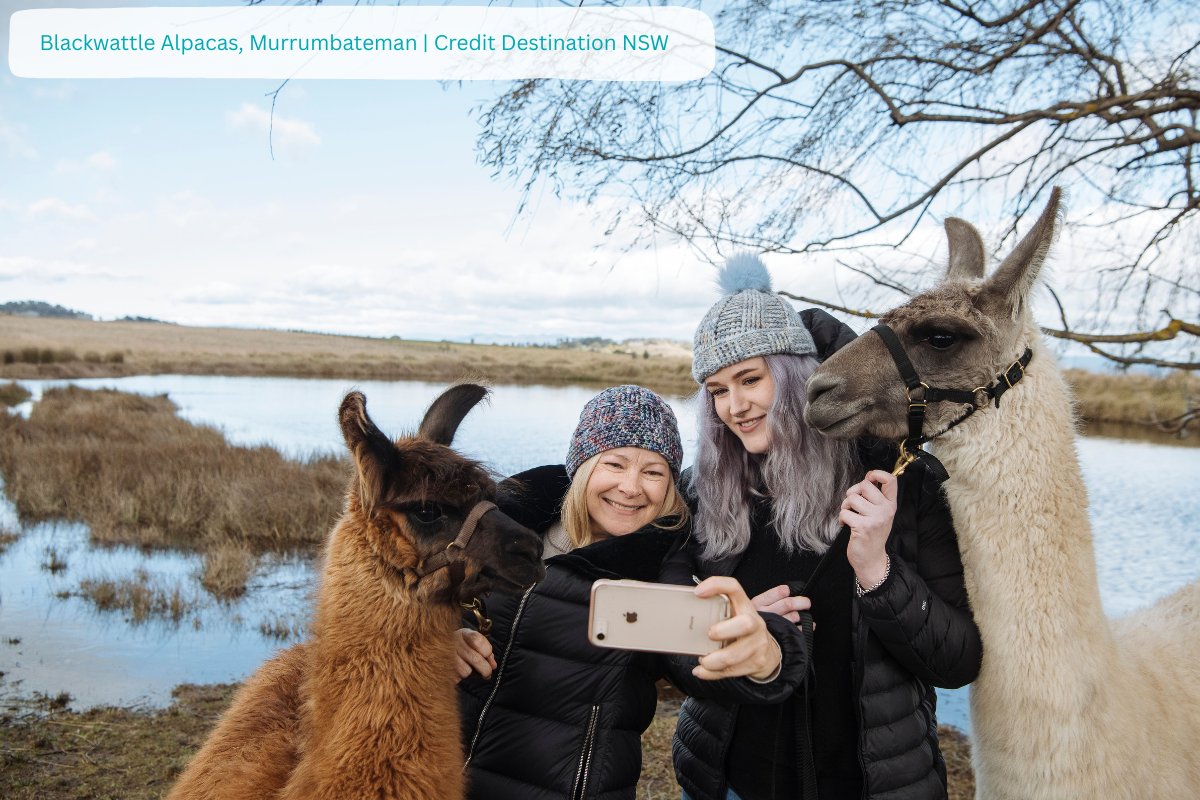
Sharing behind-the-scenes moments, staff stories, or visitor testimonials through photos and short videos can bring your sustainability journey to life. Social media platforms offer an opportunity to connect emotionally, celebrate progress, and inspire others to get involved.
Actions to consider:
- Involve your team in sustainability planning and communication.
- Encourage staff to share ideas for reducing waste or improving efficiency.
- Provide sustainability training or induction materials for new employees.
- Create opportunities for visitors to participate, such as reuse programs or conservation activities.
- Share visitor feedback and celebrate collective achievements.
Share updates through social media storytelling, highlight small wins, team initiatives, or guest experiences that reflect your sustainability values.
How this supports the SDGs
These actions contribute to SDG 4 – Quality Education, SDG 8 – Decent Work and Economic Growth, and SDG 12 – Responsible Consumption and Production. Creative and inclusive storytelling engages both staff and visitors in continuous learning, encouraging responsible behaviours that extend beyond the visitor experience. Social media storytelling amplifies positive messages, inspires other operators, and builds community around sustainable tourism values.
Report and celebrate progress
Reporting your sustainability progress demonstrates accountability and encourages others to take action. Sharing measurable results, such as reduced energy use, local procurement growth, or visitor satisfaction improvements, helps communicate your impact clearly. Celebrating milestones, however small, reinforces commitment and inspires continued improvement.
Transparency builds trust. Use data and evidence wherever possible to communicate your progress clearly. Regular updates, such as key metrics or sustainability milestones, demonstrate commitment and accountability.
Small steps matter, sharing incremental progress inspires others and keeps sustainability on your team’s agenda.
Actions to consider:
- Develop simple metrics to track your sustainability performance.
- Use your website, newsletters, or social media to share progress updates.
- Include sustainability highlights in annual reports or marketing materials.
- Recognise staff or partners who contribute to sustainability achievements.
- Participate in local or national awards that showcase sustainable business practice.
Consider participating in collaborative reporting projects or applying for sustainability awards that recognise regional leadership and shared innovation.
How this supports the SDGs
These actions align with SDG 8 – Decent Work and Economic Growth, SDG 12 – Responsible Consumption and Production, and SDG 13 – Climate Action. Transparent reporting and recognition of achievements foster trust, accountability, and motivation to keep improving. Sharing verified data and celebrating milestones also demonstrates leadership, contributing to an evidence-based and forward-looking tourism sector.
Phase
Communicating Sustainability
← Back to phase
Section
Communicating Your Journey
You are here