Activating Collections and Cultural Spaces for Visitors
Museums and galleries are often viewed as places to preserve the past, but they are equally influential in shaping the present and future.
By creating experiences that connect collections, stories, and local perspectives, cultural venues can become vibrant, visitor-ready spaces that reflect the identity and voice of their community.
Visitor engagement can take many forms:
- Talks and tours that bring local stories or exhibitions to life
- Artist residencies and school programs that connect young people with place
- Rotating displays, community exhibitions, or ‘object of the month’ storytelling
- Workshops, open days or family-friendly events linked to seasonal or regional themes
For smaller or volunteer-run venues, simple enhancements like bilingual signage, QR codes with audio content, or rotating storytelling panels can have a significant impact. Collaboration with local creatives, knowledge holders or historians can also help expand the story beyond the object and ensure exhibitions feel current, relevant, and inclusive.
When activating a space for tourism audiences, consider:
- How to welcome different kinds of visitors (e.g. families, international guests, people with access needs)
- The visitor journey from entry to exit—what do they see, feel, and learn?
- Whether the content reflects diverse experiences and voices in your community
- Opportunities to build partnerships with tour operators, accommodation providers, or events
The following sections provide practical guidance on designing programs, sharing stories, and ensuring accessibility, enabling your cultural space to confidently take its place as a key part of the regional visitor economy.
In this section
Designing Programs, Talks, Tours & Education Workshops
Creating engaging programs is one of the most effective ways to activate a museum, gallery, or cultural venue for tourism audiences. Whether you’re a regional gallery hosting a seasonal exhibition, a volunteer-run museum offering guided tours, or a community space delivering workshops, programming brings people into your venue and gives them a reason to return.
Effective visitor programs might include:
- Scheduled or on-request guided tours with knowledgeable staff or volunteers
- Artist or curator talks that connect audiences to local stories or creative process
- Hands-on workshops tied to local crafts, food heritage, or art practices
- School holiday programs or tailored experiences for visiting student groups
- Seasonal programs aligned with regional festivals, events, or visitor peaks
Strong programs are designed with your target audience in mind. Consider who you want to attract (families, seniors, cultural tourists, international visitors, or locals), and tailor your content, timing, and delivery accordingly.
Tips for success:
- Keep content focused, relatable, and place-based, draw on local history, identity, or creative practice
- Involve community members, Elders, artists, or historians to enrich and validate content
- Promote in advance and through multiple channels, including local tourism networks
- Evaluate what works, collect feedback, attendance data, and visitor comments
Programs don’t need to be large or expensive to be successful. A well-run talk or a simple workshop, when delivered with care and authenticity, can be just as impactful as a major event. The key is to create opportunities for visitors to connect with people, stories, and place in a way that feels inviting, meaningful, and memorable.
Exhibiting Local Stories Through Curated & Interactive Interpretation
Exhibitions are at the heart of many museums, galleries, and cultural centres, but today’s visitors are looking for more than static displays. They want stories that feel alive, inclusive, and relevant to their experience of place. Thoughtful interpretation can help bring your collection or exhibition to life and deepen visitor understanding.
Curated interpretation is about more than simply presenting facts; it’s about shaping a narrative that connects objects, images, and stories to the people and landscape around them. Whether you’re showcasing historical artefacts, contemporary art, or local community stories, effective exhibitions offer meaning, perspective, and insight.
Consider:
- The story you want to tell, and why it matters to this place
- Whose voices are included and whose are missing
- How visitors will move through the space and engage with content
Interactive elements don’t need to be high-tech or expensive. Even small additions such as:
- Listening stations with oral histories or music
- Tactile elements for children or access needs
- Visitor reflection cards or storytelling prompts
- QR codes linking to deeper content or artist interviews can invite deeper engagement and help visitors personalise their experience.
Collaborating with local communities, knowledge holders, or artists can also help shape interpretation in ways that are authentic and inclusive. Many regional venues now use co-curation models, where community members are directly involved in developing exhibitions or selecting collection items to share.
By creating exhibitions that reflect your community and invite participation, you transform your venue from a place of display into a space for connection.
Ensuring Accessibility, Cultural Safety & Inclusion
Making your venue welcoming to all visitors is a key part of developing a strong, community-connected tourism offering. Accessibility and cultural inclusion go beyond physical access; they encompass how stories are told, whose voices are heard, and how safe and supported visitors feel when they enter your space.
Start by thinking about who currently engages with your venue, and who might not. Are there barriers for people with disability, families with young children, First Nations communities, culturally and linguistically diverse visitors, or LGBTQIA+ audiences? What steps could be taken to remove those barriers?
Accessible and inclusive practice might include:
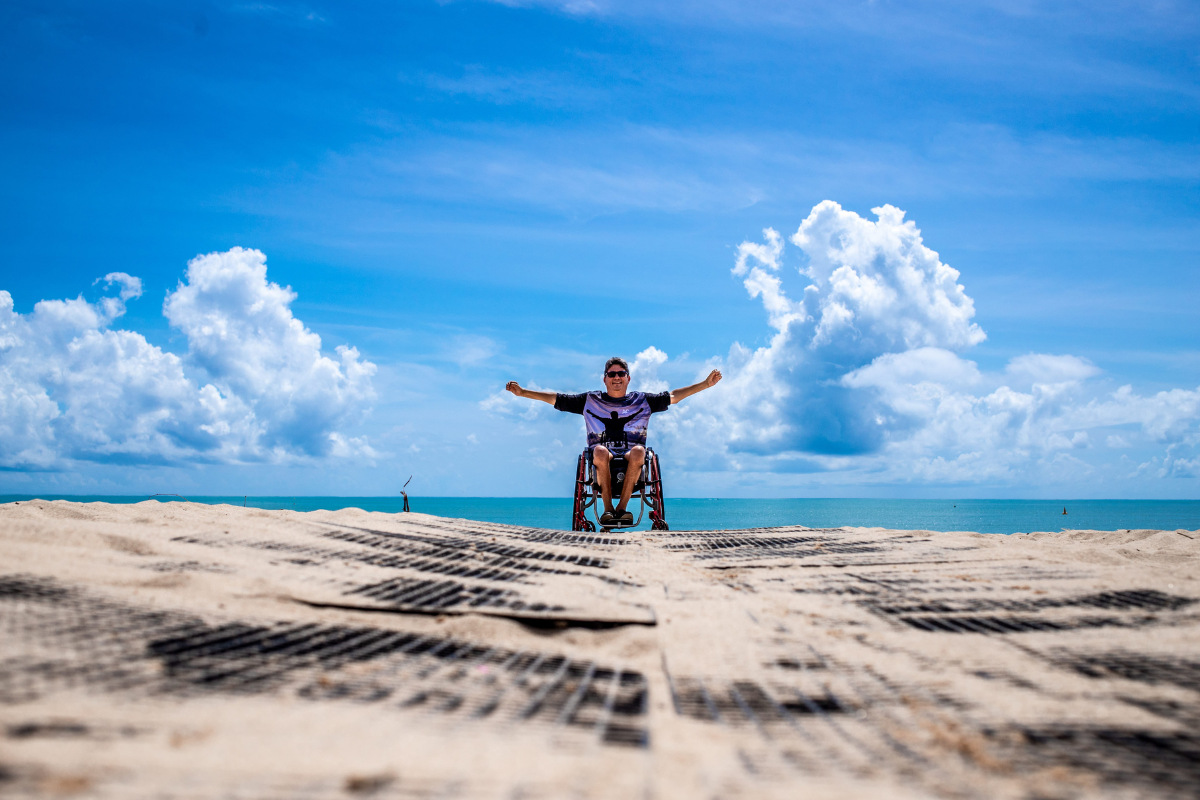
- Ramps, seating, and clear pathways for mobility access
- Clear signage in large print and plain English
- Visual or sensory supports for neurodiverse visitors
- Staff or volunteers trained in cultural safety and disability inclusion
- Quiet times, relaxed sessions, or companion ticketing
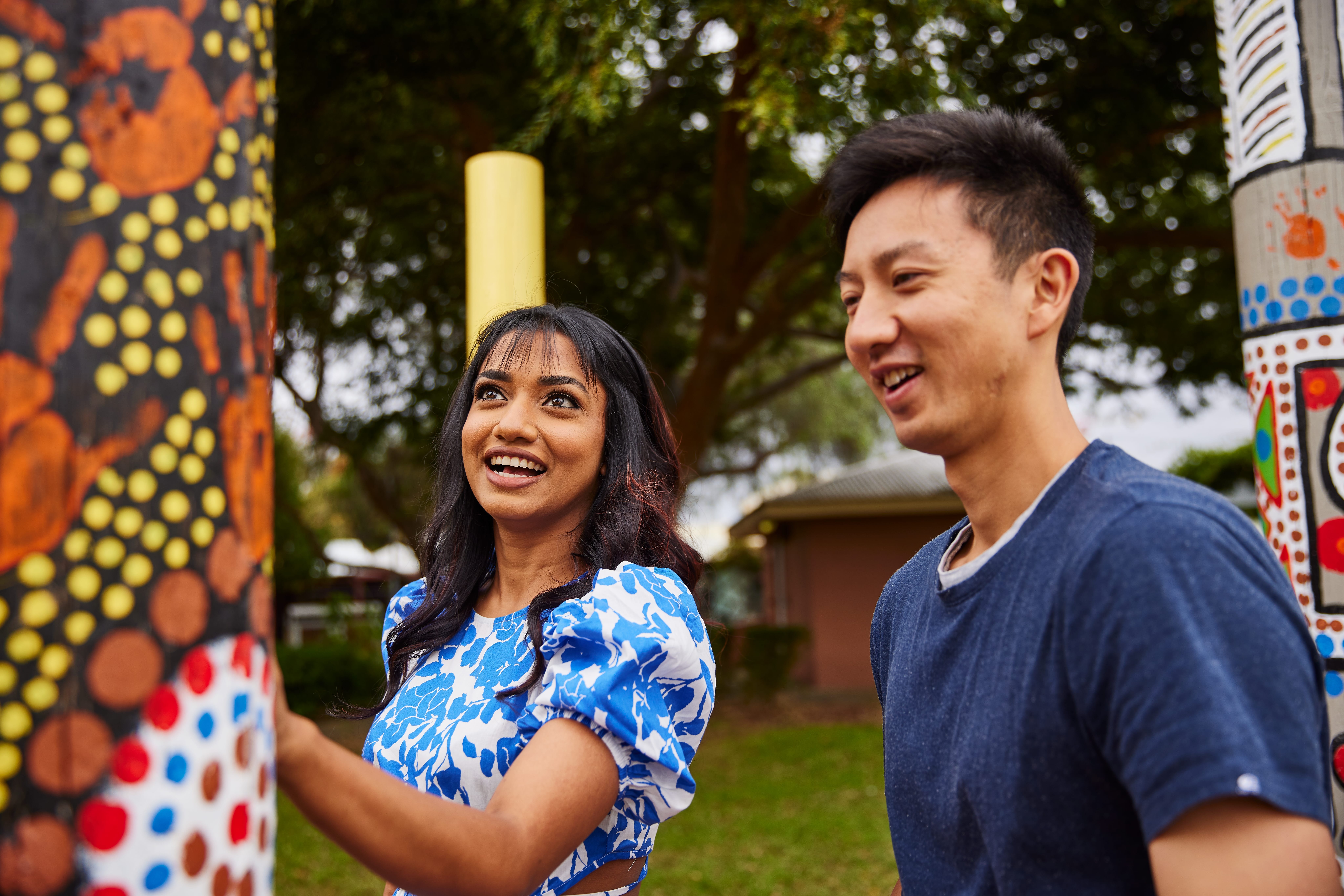
- Acknowledging Country at the entrance and including First Nations perspectives in exhibitions
For practical strategies, resources, and case studies on improving access and inclusion in tourism, visit our Accessibility and Inclusion Pathway.
Cultural safety is also critical, especially when your venue includes stories or objects related to Indigenous peoples, diverse communities, or lived experience. Co-curation, consultation, and obtaining the necessary permissions are key to ensuring your exhibitions are accurate, respectful, and empowering.
To get started:
- Use inclusive language in signage, marketing, and interpretation
- Involve community members in program development
- Create feedback loops so visitors can share their experience and suggest improvements
- Review access needs regularly; what worked last year might not meet current expectations
Inclusive practice strengthens both the visitor experience and your reputation. A space that is safe, welcoming and respectful is more likely to attract new audiences, foster return visitation, and serve as a genuine cultural meeting place for your region.
Phase
Museums, Galleries and Cultural Spaces
← Back to phase
Section
Getting Started
You are here