Building Events That Matter
Implementing sustainability, inclusion, and legacy into events is about proactive planning and intentional choices.
These values should be visible in both operations and outcomes, from waste reduction and diverse supplier engagement to post-event contributions to local causes. Regional operators are well-placed to showcase sustainability and legacy by partnering with local suppliers, community groups, and cultural organisations.
Common focus areas include:
- Sustainability actions – Local sourcing, waste minimisation, energy efficiency, and low-impact transport.
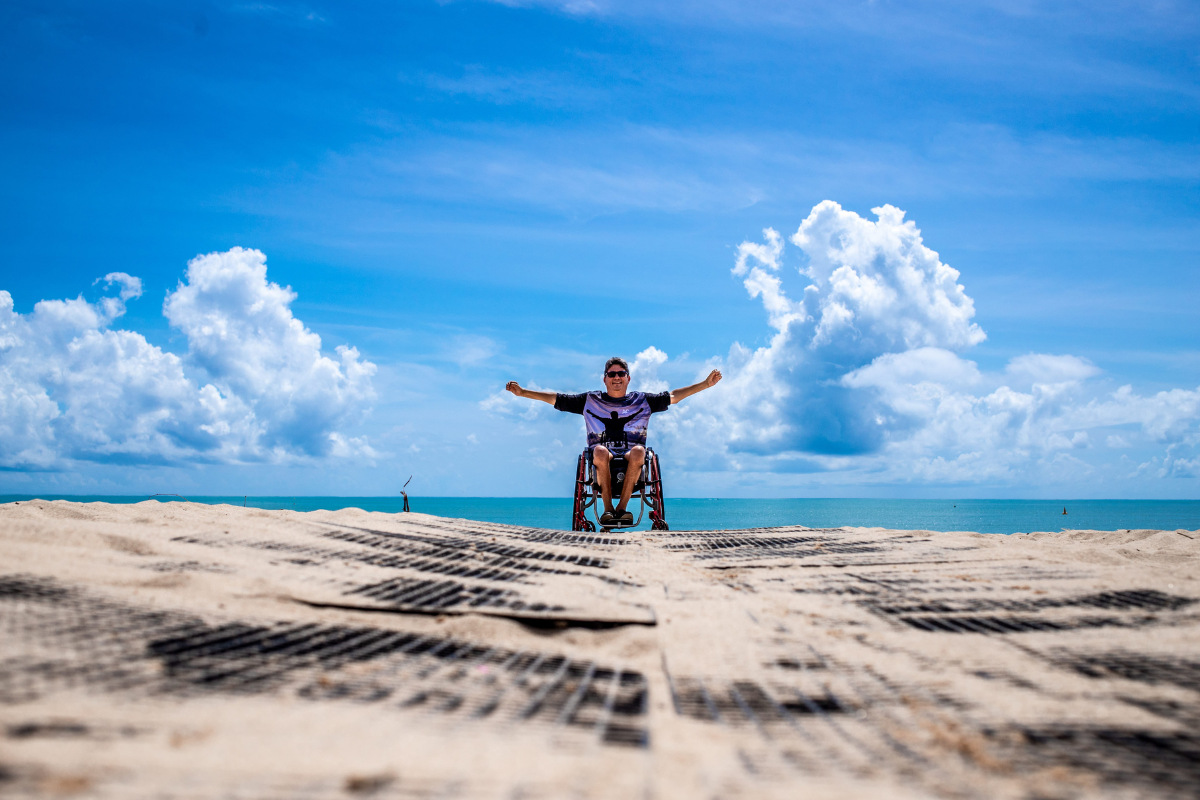
- Inclusion actions – Accessibility for all abilities, diverse representation, and cultural safety.
- Legacy actions – Contributions that remain in the community, such as training opportunities, infrastructure upgrades, or charitable donations.
When these values are embedded in your event offering, they strengthen your marketability and your contribution to the region’s well-being.
Explore the resources below to discover resources about sustainability, inclusion, legacy and more about the event lifecycle.
In this section
Sustainability Actions
Sustainable practices in business events are increasingly non-negotiable for organisers, especially for government and corporate clients with environmental targets. Sustainability is also a selling point, but only if it is measurable, visible, and embedded into the event experience. Organisers increasingly expect this, whether it’s a corporate conference, community festival, or incentive program.
Practical strategies include:
- Local sourcing – Partner with nearby farmers, wineries, and caterers to reduce food miles and support local producers.
- Waste reduction – Use reusable service ware, compostable packaging, and refillable water stations.
- Energy efficiency – Choose LED lighting, efficient appliances, and manage climate control to reduce energy use.
- Low-impact transport – Provide shuttle buses, encourage carpooling, or work with local e-bike hire.
Example: A regional conference secured a repeat booking by offering a “zero waste” catering option, composting all food scraps through a community garden project.
Inclusion Actions
Inclusive events welcome all delegates, regardless of ability, background, or identity. Accessibility is the baseline; cultural safety, diverse representation, and respect for all identities make events truly inclusive. Inclusion is also a competitive advantage; it widens your potential audience and strengthens relationships with organisers who value diversity. Truly inclusive events go beyond accessibility to actively represent and respect diverse voices.
Practical strategies include:
- Physical access – Step-free entry, wide doorways, accessible bathrooms, and priority seating.
- Sensory and neurodiverse support – Quiet breakout spaces, visual schedules, and captioned presentations.
- Cultural safety – Ensure diverse representation in programs, include Welcome to Country where appropriate, and engage respectfully with all communities.
- Marketing inclusivity – Use inclusive language, images, and examples in promotional materials.
Example: A venue became a preferred supplier for a national association after publishing accessibility guides, introducing gender-neutral bathrooms, and providing captioning at all presentations.
Legacy Actions
A legacy is the positive, lasting impact an event leaves on its host community. This can be economic, social, cultural, or environmental. Legacy actions strengthen your destination’s reputation and create compelling stories for marketing, showing organisers their event will have an impact beyond the conference room or festival grounds.
Practical strategies include:
- Community partnerships – Allocate event revenue to local charities or initiatives.
- Skills development – Provide delegate volunteering opportunities or sponsor workshops for locals.
- Infrastructure improvements – Co-fund upgrades that will benefit future events.
- Cultural enrichment – Showcase local artists, storytellers, and performers, creating exposure and income opportunities.
Example: An incentive program partnered with a regional school to deliver STEM workshops, leaving behind new equipment and a mentorship program that continued after the event.
Event Lifecycle
Events, like communities, evolve over time. Recognising where your event sits in its lifecycle helps organisers make smart, proactive decisions about the future — whether that means growth, revitalisation, or a graceful farewell.
The Australian Centre for Regional Events (ACRE) outlines five key stages in an event’s lifecycle:
- New Event – Building Foundations: Focus on proving the concept and building community trust.
- Establishing Event – Building Momentum: Strengthen systems, partnerships, and audience loyalty.
- Mature Event – Sustaining Success: Maintain quality, innovate, and plan for leadership succession.
- Declining Event – Warning Signs Appear: Recognise when engagement or relevance begins to drop.
- Revitalised Event – Reimagined and Reborn: Refresh the format or concept to renew interest.
ACRE’s guide also explores how to identify when an event has reached a critical junction, and how to make informed decisions about its future.
Read more: Is It Time to Say Goodbye to Your Regional Event? Australian Centre for Regional Events (ACRE)
Phase
Sustainability, Inclusion & Legacy
← Back to phase
Section
Getting Started
You are here