Enhancing Events Through Local Experiences
Adding local experiences to a business event transforms it from a functional event to an unforgettable one.
Whether through short pre- or post-event activities or integrated program elements, these experiences deepen delegates’ connection to the destination and increase the likelihood of extended stays.
Examples include:
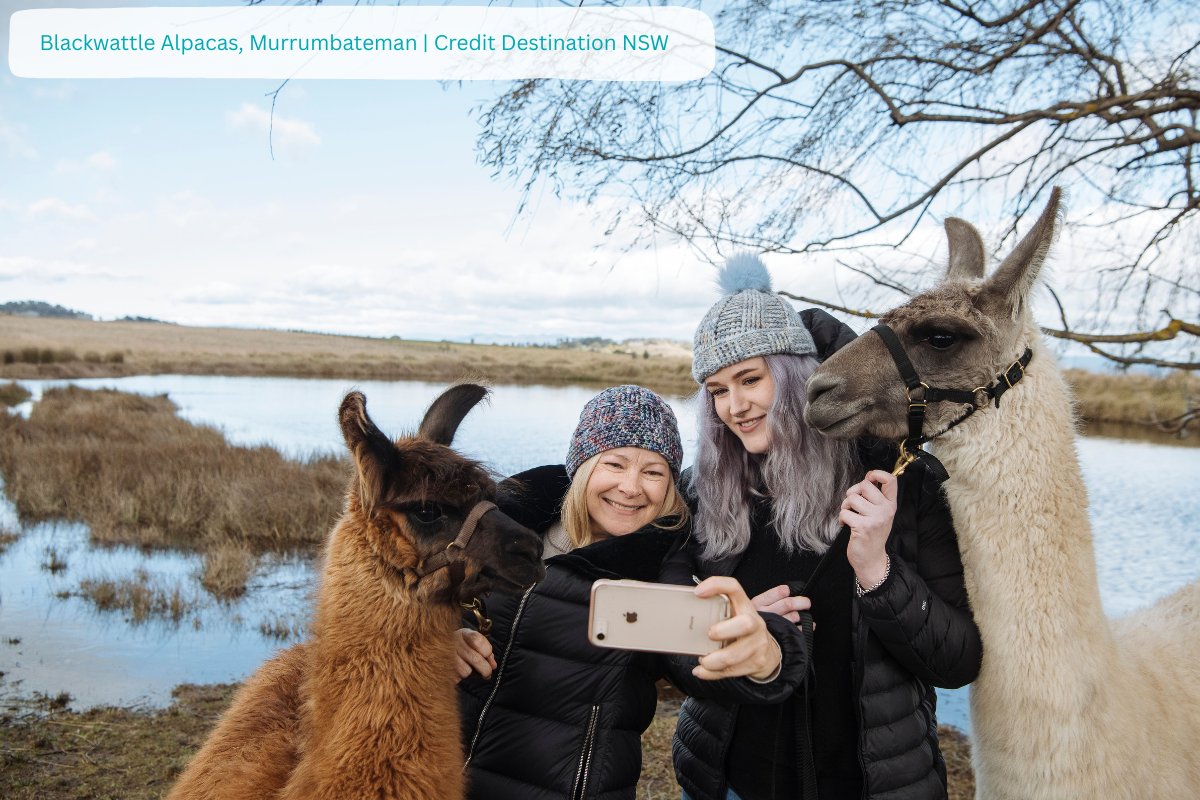
- Pre- or post-event tours – Wine trails, heritage walks, scenic flights, or wildlife encounters.
- Food and wine experiences – Winery dinners, farm-to-table tours, or chef-hosted cooking classes.
- Arts and cultural activations – Gallery openings, theatre performances, hands-on creative workshops.
- Outdoor activities – Golf days, guided hikes, cycling tours, or coastal cruises.
Key success factors:
- Match the scale and style of the experience to the audience.
- Ensure activities are logistically achievable within the event schedule.
- Partner with quality, reliable local providers.
Explore the resources below to discover how to enhance your events.
In this section
Working with Local Operators
Local operators play a crucial role in delivering authentic, high-quality delegate experiences. They bring expertise, resources, and connections that can turn a simple activity into a signature highlight of the event. Collaboration ensures events contribute to the broader visitor economy.
Benefits of collaboration:
- Access to specialist knowledge and unique experiences.
- Increased local economic benefit from delegate spend.
- Opportunities to bundle services into attractive packages.
Practical tips:
- Build relationships before you need them, meet operators, visit their businesses, and understand their offerings.
- Formalise agreements on pricing, inclusions, and delivery standards.
- Consider co-marketing the experience to organisers as a ready-to-book package.
Example: A coastal conference partnered with a local cruise operator to offer sunset harbour cruises as an optional delegate activity, generating extra revenue for both the cruise company and the destination.
Aligning with Event Themes
Tailoring experiences to match the event’s theme or industry focus increases relevance and engagement.
Examples:
- A technology conference may include visits to an innovation hub.
- An agricultural meeting could feature farm tours or produce tastings.
- A sustainability event might showcase conservation projects.
Why this matters:
- Boosts delegate engagement and participation.
- Reinforces organiser objectives.
- Creates a cohesive and meaningful program.
Practical tips:
- Request the event theme early in discussions with organisers.
- Develop a portfolio of experience options for different sectors (e.g., corporate, association, incentive, community).
- Offer flexibility in timing and group sizes to fit the event schedule.
Example: A sustainability-focused conference integrated a guided eco-tour of local wetlands, highlighting conservation efforts and aligning perfectly with the conference’s messaging.
Incorporating Indigenous Cultural Elements
orporating Indigenous cultural elements into an event is an opportunity to honour Country, connect delegates to place, and share authentic stories and traditions. This should always be done respectfully and in consultation with local Traditional Owners and Elders.
Options may include:
- A Welcome to Country or Acknowledgement of Country at the opening session.
- Performances by local Indigenous artists.
- Cultural workshops, such as weaving, painting, or bush tucker experiences.
Practical tips:
- Approach the proper cultural authority early; permissions and arrangements can take time.
- Provide precise details on the event’s purpose, audience, and context.
- Ensure cultural safety, proper attribution, and fair remuneration.
- Connect with the NSW Aboriginal Tourism Operators Council (NATOC), which supports Aboriginal tourism operators across NSW and provides guidance on cultural protocols and opportunities for collaboration.
Example: An annual conference in Southern NSW began with a Welcome to Country and smoking ceremony conducted by local Elders, setting a respectful and memorable tone for the entire event.
See the First Nations Cultural Tourism Phase within the Cultural Tourism Pathway for more details on how to include Indigenous cultural elements in your event.
Phase
Designing Visitor & Community Experiences
← Back to phase
Section
Getting Started
You are here