Cultural Authority, Connection to Country and Community-Led Design
Cultural tourism, led by or developed in partnership with First Nations communities, begins with a connection to Country, cultural authority, and community engagement.
Every experience, whether a guided tour, cultural performance, or bush tucker walk, should reflect respectful consultation, permission, and cultural ownership.
Across the DSNSW region, First Nations peoples bring deep and enduring knowledge of their land, waterways, seasons, stories and practices. These knowledge systems are not in the public domain; they are protected and passed down through specific family and community structures. Tourism operators engaging in this space have a responsibility to respect these systems and follow appropriate protocols.
It’s essential to reinforce respectful travel behaviours, including:
- Seeking permission before developing cultural experiences or using Indigenous knowledge
- Acknowledging Traditional Owners and custodians of Country
- Engaging Indigenous-owned businesses and local Aboriginal organisations
- Respecting sacred sites and practices
This section explores how to build cultural tourism experiences that honour the leadership, sovereignty, and lived experience of First Nations communities.
In this section
Working with Traditional Owners and Elders
Developing First Nations cultural tourism experiences begins with identifying the right people to speak with, those who hold cultural authority in the place where your experience is connected. In many Aboriginal communities, this authority rests with Elders, Traditional Owners, or cultural custodians who carry knowledge, speak for Country, and guide how stories and practices are shared.
Cultural authority may sit with:
- Local Aboriginal Land Councils (LALCs)
- Community Elders or family groups
- Indigenous tourism operators or cultural educators
In some regions, formal processes may be in place. In others, authority may be held by individuals not linked to a formal organisation. It’s essential to take the time to understand local protocols and identify the right people before making plans or assumptions.
Relationship-building tips:
- Approach with humility, openness, and a willingness to listen
- Be transparent about your intentions and timelines
- Respect that permission may not be granted, and avoid pushing
- Understand that protocols vary across communities, so don’t generalise
Building trust takes time. Offer ongoing involvement, attribution, or benefit-sharing where appropriate. Cultural tourism works best when it’s shaped in partnership, not just informed by consultation.
For help in connecting with relevant contacts in your region, please get in touch with your Destination Southern NSW Industry Development Manager, the NSW Aboriginal Tourism Operators Council (NATOC), or reach out to your nearest Local Aboriginal Land Council.
These resources provide a strong foundation, but they are only part of the process. The most valuable insights will come from listening to and working with Indigenous communities, which may include individuals, Elders, Traditional Owners, and designated custodians.
Seeking Permission for Stories, Land, and Practices
First Nations stories, names, dances, symbols, and knowledge are not public assets; they are forms of cultural intellectual property, often held by specific First Nations families or communities. Using this content in a tourism experience without permission is disrespectful and potentially harmful.
You must seek permission if you plan to:
- Share dreaming stories or cultural narratives
- Operate on or near sacred or significant sites
- Include traditional practices, artworks, language, or ceremony
- Reference Indigenous knowledge systems like bush medicine or seasonal signs
Permission must come from the individuals with the authority to grant it, typically Elders, Traditional Owners, or designated custodians. It is not enough to have informal approval or to rely on public sources.
Steps to follow:
- Ask directly who holds the rights or responsibilities
- Document permission in writing wherever possible
- Agree on how stories or knowledge will be used, credited, and protected
- Avoid reinterpretation or creative licence, share only what has been approved
Even if cultural elements are widely known or previously published, you must still seek local permission to use them in your product. If you’re unsure whether something is sensitive, assume it is until advised otherwise.
Important Tip:
Seeking permission is not a one-time event. Keep communities involved throughout your planning, delivery, and review process, and share benefits, profits, and recognition wherever appropriate.
Seasonal Knowledge, Storytelling Rights, Language and Protocols
First Nations cultural knowledge is deeply connected to place, season, and storyline. Sharing these stories through tourism requires more than just permission; it requires an understanding of the right time, right way, and right person to share specific knowledge.
Some stories are only told:
- At certain times of year (linked to ecological or ceremonial cycles)
- In specific locations or contexts
- By particular family lines or Elders
- In language, through song, movement, or art
Before incorporating cultural narratives or seasonal references into your experience, ask:
- Is this story appropriate for visitors or public audiences?
- Is it connected to a particular time, place, or protocol?
- Can this knowledge be translated or explained without losing its meaning?
- Is there someone with cultural authority available and willing to lead this?
Language plays a vital role in cultural tourism. If you’re referencing local language, whether a word, place name or greeting, ensure you:
- Check the spelling and pronunciation with a local speaker
- Attribute the language group correctly
- Only use words that have been approved for public use
Likewise, storytelling protocols vary widely between regions and communities. Some knowledge may be protected, ceremonial, or restricted by age or gender.
Respecting these boundaries is crucial for maintaining the integrity of cultural tourism and preserving intergenerational knowledge.
Respecting Cultural Intellectual Property and Community Ownership
Cultural Intellectual Property (CIP) refers to the unique cultural expressions, stories, knowledge systems, languages, and practices of First Nations peoples. This includes both tangible elements (such as artworks, songs, dances, and designs) and intangible elements (such as knowledge, customs, stories, and names).
In tourism, cultural content is often admired and celebrated, but it is sometimes used without permission, attribution, or benefit to the community to which it belongs.
To work respectfully in First Nations cultural tourism, you must:
- Recognise that all First Nations cultural content is owned, either by individuals, families, or communities
- Avoid copying, adapting, or reinterpreting cultural symbols or stories for commercial use
- Seek written permission if using artworks, photographs, audio, or traditional knowledge in marketing or interpretation
- Ensure communities are credited, consulted, and, where appropriate, compensated for the use of their cultural property
- Never assume that visual elements (e.g. dot paintings, motifs, totems) are free to use—even if found online or in the public domain
Importantly, cultural tourism products should be led or co-designed by those with the cultural rights to share the content. If you are a non-Indigenous operator, avoid centring yourself in the story; instead, act as a supporter, facilitator, or collaborator where appropriate.
Good practice includes:
- Shared branding or storytelling with community members
- Benefit-sharing agreements or employment partnerships
- Clear attribution in signage, digital content, or printed materials
Protecting cultural intellectual property is not just a legal consideration; it is a matter of sovereignty, dignity, and respect.
South Coast Seaweed | Case Study
South Coast Seaweed is an Aboriginal-owned business on the Far South Coast of NSW, offering immersive coastal foraging tours and seaweed experiences that revitalise traditional knowledge. Guided by Indigenous stories and practices, we connect visitors to Sea Country while showcasing sustainable harvesting, cultural education, and the wisdom of Aboriginal marine traditions.
Our tourism offering grew from the curiosity of customers who purchased our seaweed products and wanted to experience the coastal foraging journey themselves. Their interest sparked a vision to share the cultural stories and traditional knowledge behind each harvest. Guided by Indigenous practices, we created tours that connect people to Sea Country, teach sustainable harvesting, and celebrate the ancient relationship between ocean, culture, and food. What began as a love for seaweed evolved into an immersive way to revitalise Aboriginal traditions, protect marine ecosystems, and inspire visitors to care for Sea Country.
From Product to Experience
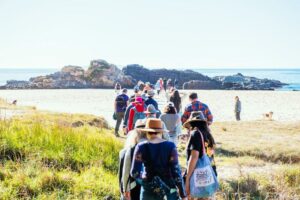
Our tourism journey really began with people asking questions. Customers who loved our seaweed products wanted to know more: how we found it, when to harvest and what our old people taught us about the ocean. With support from Destination NSW we shaped those conversations into real experiences on Country and our Seaweed foraging tours came to life.
Support and Partnerships
The Cultural Tourism Program through NIAA gave us guidance and practical tools to grow in a way that respects culture and community. Macquarie University worked with us to record and strengthen traditional seaweed knowledge. Step by step, planning, learning, and listening to Elders, guided us to create tours that share culture, Sea Country, and story.
Challenges and Lessons Learned
Starting a tourism business on Sea Country came with many challenges. We had to balance cultural responsibility with visitor expectations, making sure knowledge was shared respectfully and seasons were honoured. Weather and tides often forced us to adapt plans, teaching patience and flexibility. Funding and permits required persistence and careful planning, while protecting sensitive sites demanded constant care.
From these hurdles we learned to move at the pace of Country, to listen deeply to Elders and community, and to trust that strong relationships and cultural guidance will always lead the way when sharing our seaweed traditions with visitors.
Recognition and Impact
We are honoured to have our work recognised with several awards, including:
- Indigenous Business Month Regional Business of the Year 2022
- Business NSW Far South Coast Young Business Person of the Year 2024
- All First Nations Eco and Sustainability Award 2025
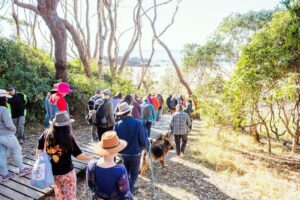
But our greatest pride comes from reconnecting people with Sea Country practices and native foods. Through our tours, visitors experience traditional foraging, taste native ingredients, and learn how to care for the ocean. These moments create lasting respect for culture and Country, ensuring our seaweed knowledge and coastal traditions continue for future generations.
Looking Ahead
Next, we plan to expand our coastal foraging tours, create new native seaweed food experiences, and establish a seaweed manufacturing hub that drives innovation. This hub will support sustainable product development and research, helping us share more seasonal stories and inspire deeper care for Sea Country and its ancient marine traditions.
Find out more:
Website | Facebook | Instagram
Images supplied by South Coast Seaweed
Resources
A range of resources is available to support First Nations tourism operators, community groups, and collaborators in developing respectful, community-led tourism experiences. These tools can assist with planning, obtaining permissions, business development, and connecting to networks and mentoring opportunities.
The resources in this section are specific to Indigenous Tourism. Additional cultural tourism resources are available in Phase 6 of this pathway.
- Aboriginal Heritage Legislation in NSW
The Aboriginal Heritage Legislation in NSW document provides a concise overview of the laws protecting Aboriginal cultural heritage, primarily under the National Parks and Wildlife Act 1974, including definitions, offences, permit processes, and the roles of community and government in managing and safeguarding Aboriginal objects and places.
- Eco Pass – NSW National Parks and Wildlife Service
The Parks Eco Pass is a licensing system for operators delivering commercial guided experiences in NSW national parks and reserves. Aboriginal operators are eligible for fee waivers, and cultural interpretation requires written permission and the authority of a cultural representative. The Parks Eco Pass Operator Handbook provides detailed licensing, cultural safety, and story-sharing requirements.
- First Nations Cultural Tourism Industry Support Guide – South Coast NSW
The First Nations Cultural Tourism Industry Support Guide – South Coast NSW offers practical guidance for First Nations tourism operators at different stages of development, covering permissions, partnerships, planning, and available support.
- NATOC – NSW Aboriginal Tourism Operators Council
NATOC – the NSW Aboriginal Tourism Operators Council supports Aboriginal-owned tourism businesses through advocacy, networking, and business development resources.
- South Coast Business Planning Program Report
The South Coast Business Planning Program Report outlines a culturally safe, peer-led business development pilot that supported First Nations tourism operators in refining and expanding their business ideas. -
Southbound Escapes – Connect to Country (Product examples)
Southbound Escapes offers a strong example of an authentic, community-led cultural tourism experience. Working directly with Yuin Traditional Owners who have permission from their Elders to share stories, the business delivers meaningful “Connect to Country” experiences grounded in local Dreaming stories, language and deep cultural knowledge. Their model demonstrates how respectful partnerships, cultural authority and a focus on caring for Country can create powerful, place-based experiences that support cultural integrity while enriching the visitor journey.
Phase
First Nations Cultural Tourism
← Back to phase
Section
Getting Started
You are here